
The June Problem in Schools
What We Misunderstand About End-of-Year Student Struggles

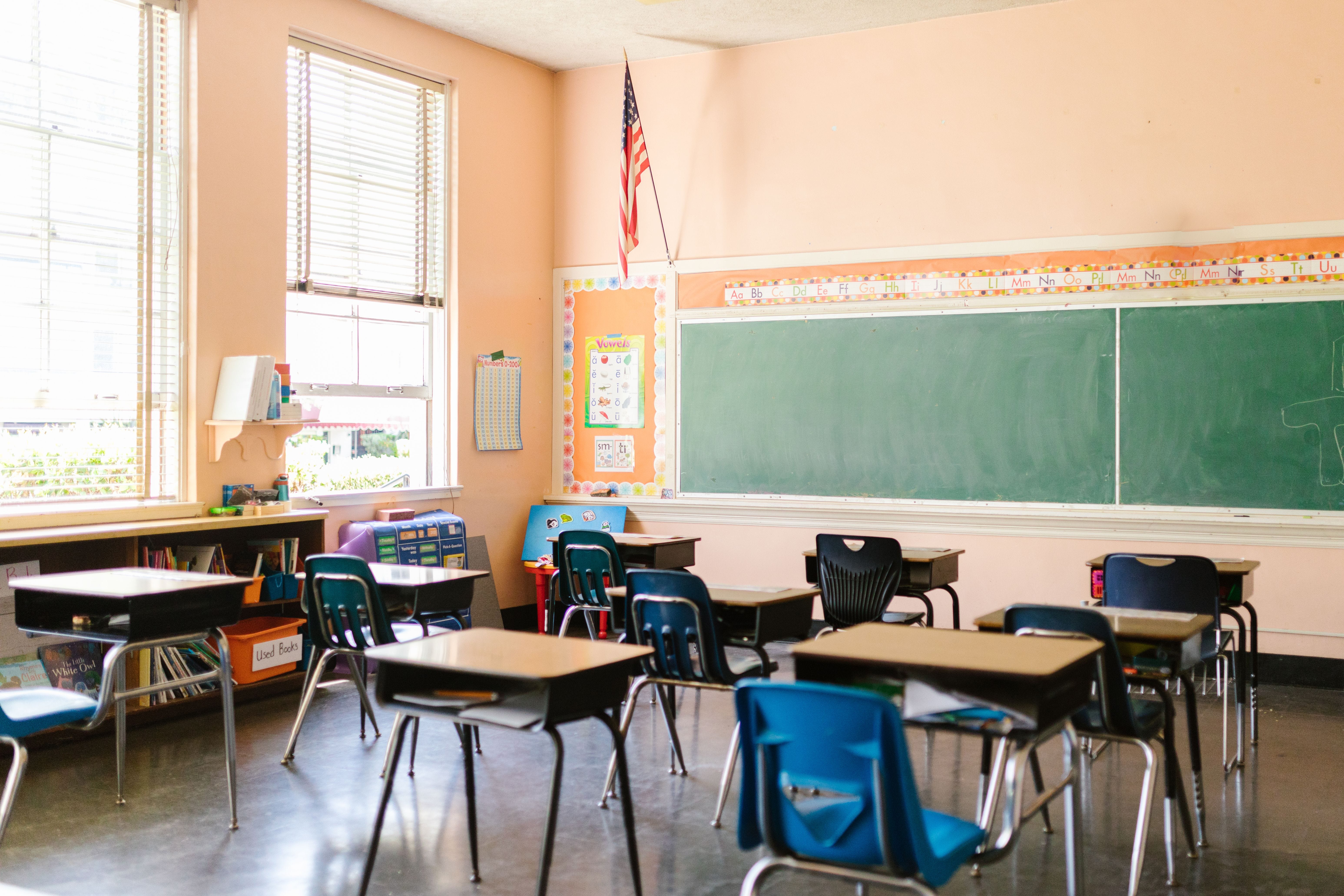
Every June, something predictable happens in schools across Canada.
Students who were managing their learning in the spring begin to struggle. Behaviour escalates. Attention fades. Anxiety rises. Once manageable task
s become overwhelming.
And yet, the expectations remain largely unchanged.
What we often fail to recognize is that this is not a sudden decline in ability. It is a predictable response to cumulative fatigue, transition stress, and cognitive overload.
I refer to this pattern as “the June Problem.”
A system that continues forward while students run out of capacity
By the final month of the school year, students are not functioning in the same conditions as they were in September—or even April.
They are carrying months of sustained cognitive demand, emotional regulation, social complexity, and academic pressure. For many students, particularly those with Individual Education Plans (IEPs), neurodivergent learners, and students managing anxiety or attention-related challenges, this cumulative load is significant.
Despite this, June is often when academic demands intensify.
Final assessments, culminating tasks, presentations, and examinations are layered onto an already depleted system. The intention is often to “finish strong.” The outcome, for many students, is the opposite.
Behaviour as a signal of overload
In June, educators frequently report increases in disengagement, avoidance, and behavioural disruption.
However, these changes are often interpreted through a narrow lens: motivation, effort, or compliance.
A more accurate interpretation may be that these behaviours reflect reduced capacity for regulation and sustained attention rather than unwillingness to engage.
When cognitive and emotional resources are depleted, students may appear to withdraw, become irritable, or shut down entirely. These responses are not new behaviours; they are amplified stress responses within a system that has exceeded a student’s capacity.
The overlooked role of transition stress
June is not only the end of instruction; it is also a period of layered transitions.
Students are managing:
the loss of routine consistency
shifting classroom expectations
anticipation of summer disruption
changes in teacher and peer relationships
uncertainty about the following school year
For many students, especially those who rely on predictability and structure, this combination creates significant internal stress. Yet this form of transition-related strain is rarely explicitly acknowledged in academic planning.
When endurance is mistaken for learning
End-of-year assessments often prioritize performance under time constraints and cumulative pressure.
However, these conditions may measure endurance more accurately than learning.
A student who is exhausted, dysregulated, or overwhelmed may not be able to demonstrate their knowledge in the ways expected, even when understanding is present. This creates a risk of misinterpreting temporary access barriers as deficits in learning.
The absence of systemic adjustment
Despite widespread awareness of student fatigue in June, structural expectations rarely shift to reflect this reality.
In most cases, curriculum pacing continues, assessment demands remain fixed, and classroom expectations are maintained without significant adaptation.
This raises an important question: if student capacity changes across the school year, should instructional design remain static?
Rethinking what success looks like in June
Addressing the June Problem does not require lowering expectations. It requires aligning expectations with context.
This may include:
reducing new instructional load in favour of consolidation and review
increasing flexibility in demonstration of learning
incorporating more opportunities for regulation and rest
recognizing transition as part of the learning process
prioritizing student dignity and emotional safety alongside academic outcomes
Such adjustments do not diminish academic integrity. Rather, they acknowledge the realities of how learning capacity fluctuates over time.
Conclusion
If students struggle more in June, it is not necessarily a sign that learning has failed.
It may be a sign that the system has continued at full pace while student capacity has quietly diminished.
The June Problem invites a reframing: not of student ability, but of instructional timing, assessment design, and our assumptions about what it means to “finish the year well.”
Because how students experience the end of the school year often shapes how they enter the next one.
And that transition matters more than we often acknowledge.